Notes from the cockpit
Aircraft deep-dives, route planning tutorials, weather decoding, and the occasional behind-the-scenes from building Voliqo.

PoH numbers vs Pilot's Handbook: which to trust when they disagree
The PoH gives you the idealized maximum under flight-test conditions. The experienced pilot gives you the typical operational reality. The gap between these is where pilots learn to plan flights that survive contact with the real world.
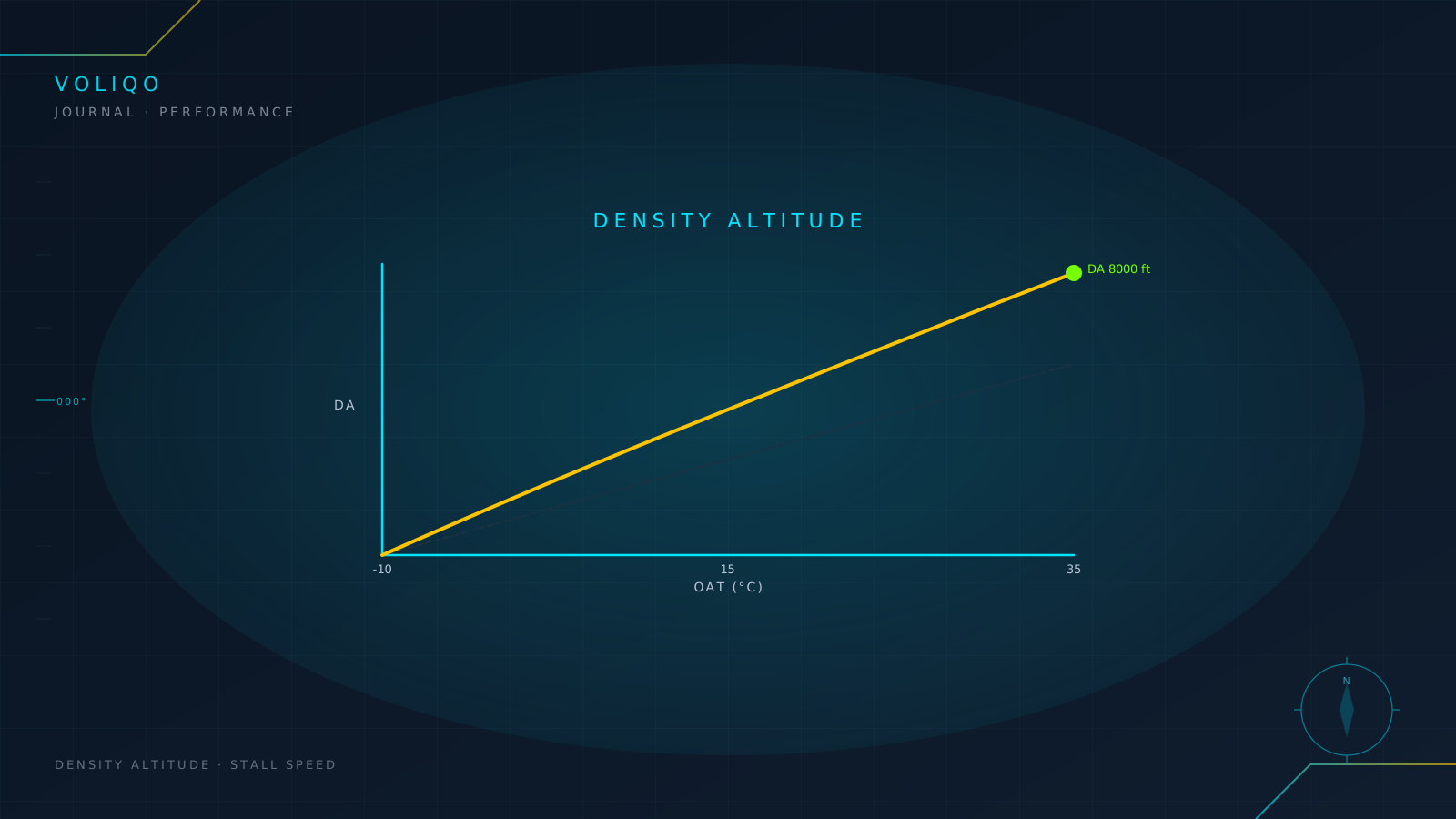
Stall speed, density altitude, and the summer killer
Your published Vs0 is at sea level, 15°C, dry air. On a 35°C afternoon at 4,000 ft elevation, the same airplane stalls at 75 km/h instead of 65. Density altitude turns a familiar airplane into a marginal one.
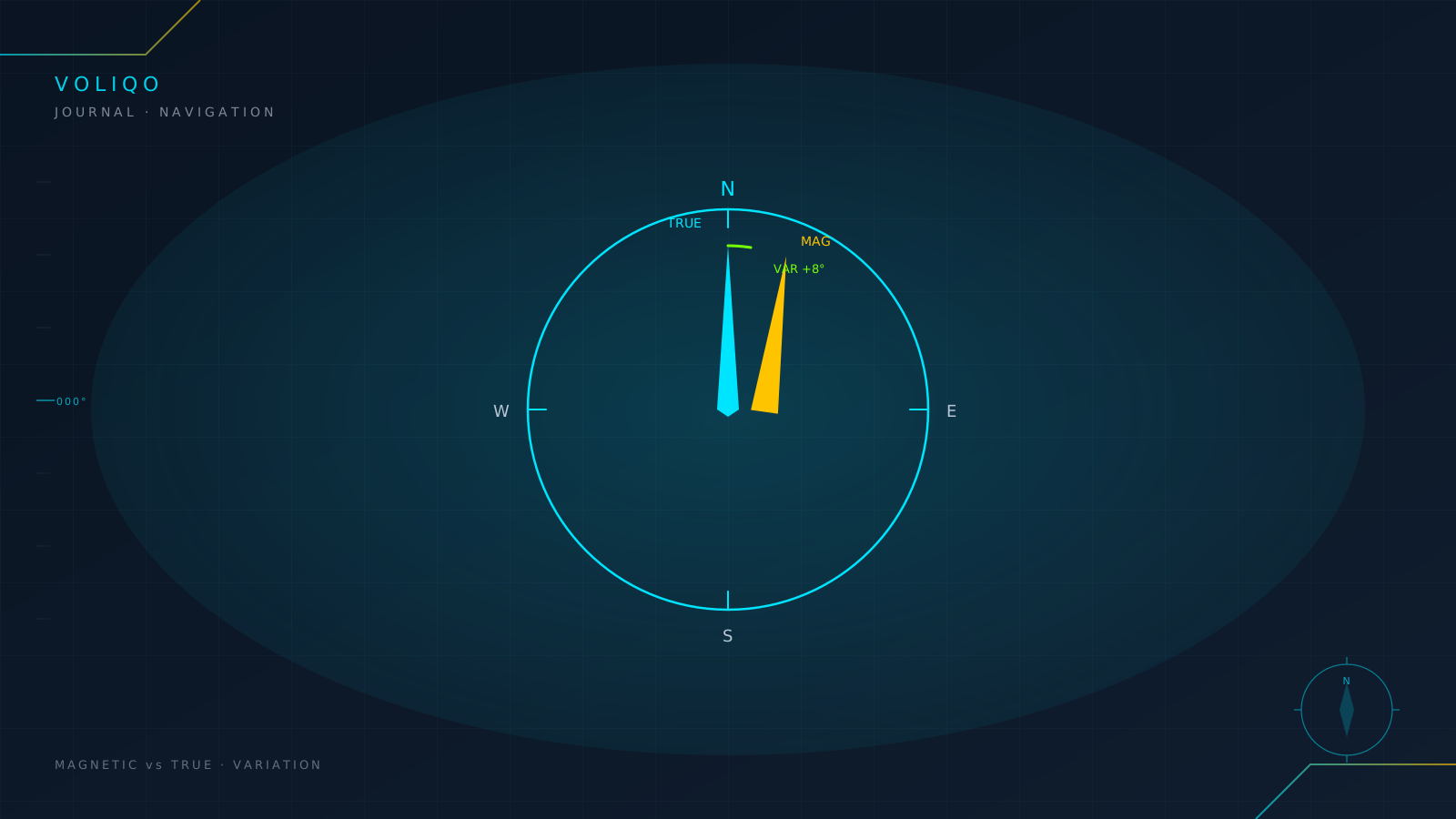
Magnetic vs true heading: the variation trap most pilots forget
You're flying east. Your GPS says you're tracking 090° true. Your DG says you're heading 087° magnetic. Both are correct, both are different, and the 3° discrepancy on a 300 nm leg puts you 15 nm off course at the destination.

Carb ice: when Rotax isn't immune
There's a persistent myth that Rotax engines don't get carb ice. The myth is wrong. Rotax engines get carb ice less often than older Lycomings or Continentals — but they get it. The symptoms are subtle enough that pilots without experience can spiral into a real emergency.
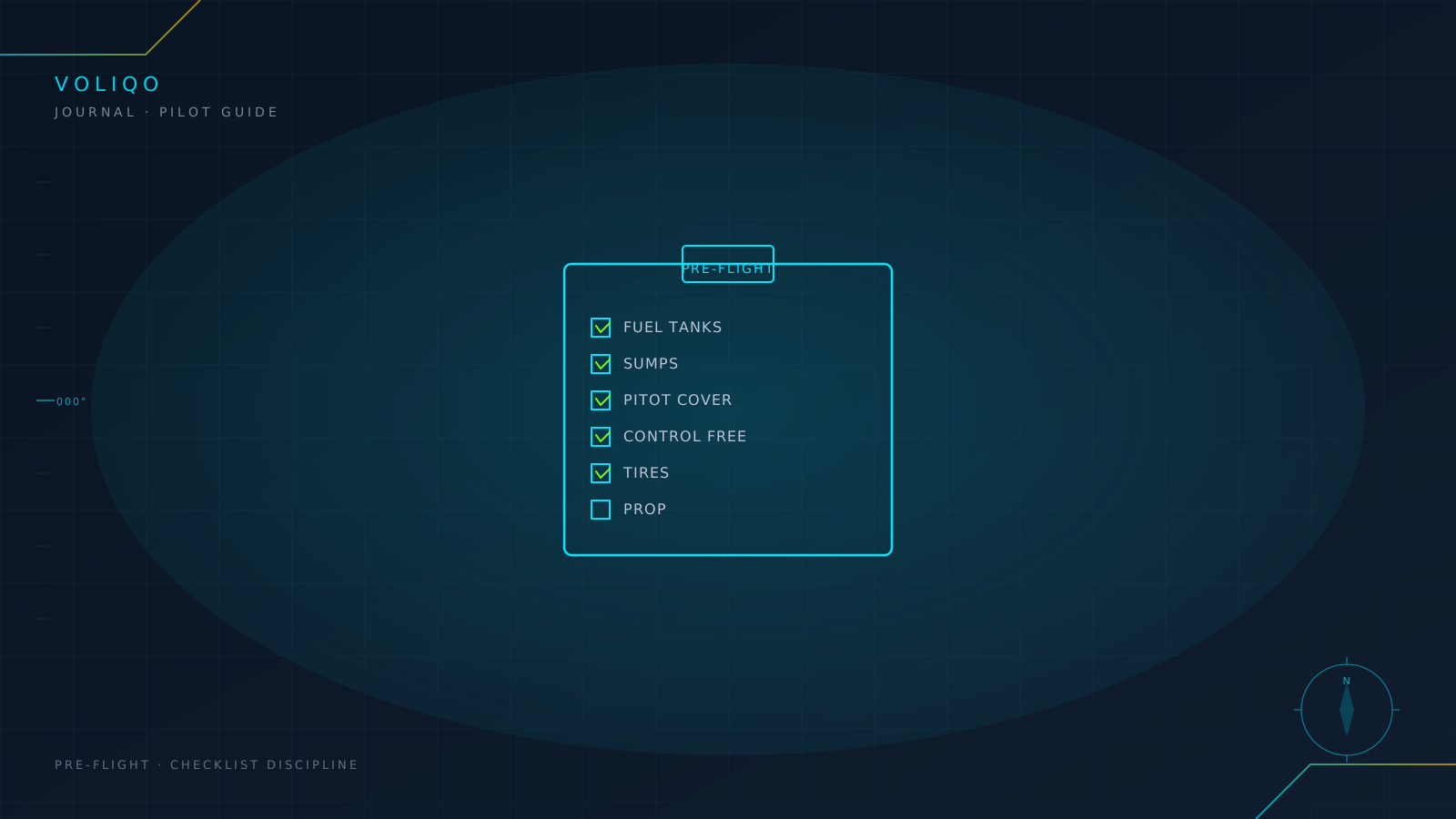
Pre-flight walk-around: when 30 seconds vs 30 minutes is the right call
Pilots learn the pre-flight walk-around as a checklist. The actual question they don't teach you in initial training is: how long should it take? The answer is: it depends. Calibrating the walk-around to the situation is the difference between a paranoid pilot and a competent one.

Alternate airports: the art of the second choice
When you plan a flight, your mind builds a story: depart here, fly there, land. The world doesn't always cooperate with the ending. Pilots who identify a real alternate before takeoff fly long careers.

Great circle vs rhumb line: which route to fly?
Take any two airports on a map and ask 'what's the shortest path between them?'. The intuitive answer — draw a straight line — is wrong almost everywhere except over short distances. The Earth is round; flat maps lie.
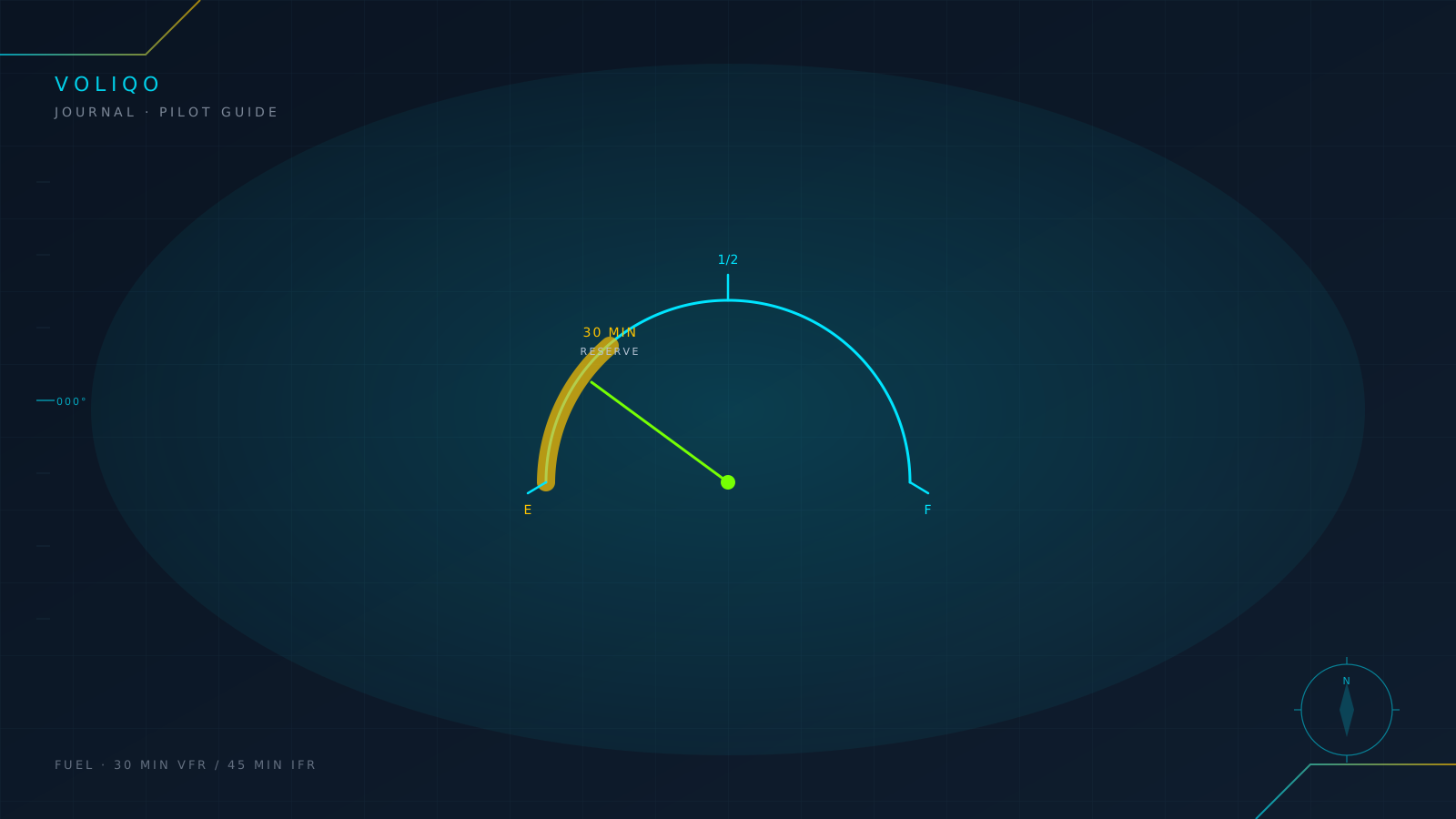
Fuel reserves for UL pilots: 30 minutes is not a suggestion
Every pilot learns the 30-minute VFR fuel reserve in initial training. Most forget it's the legal minimum, not the target. Pilots who routinely land with 30 minutes are the ones who occasionally land with 5 when something doesn't go to plan.
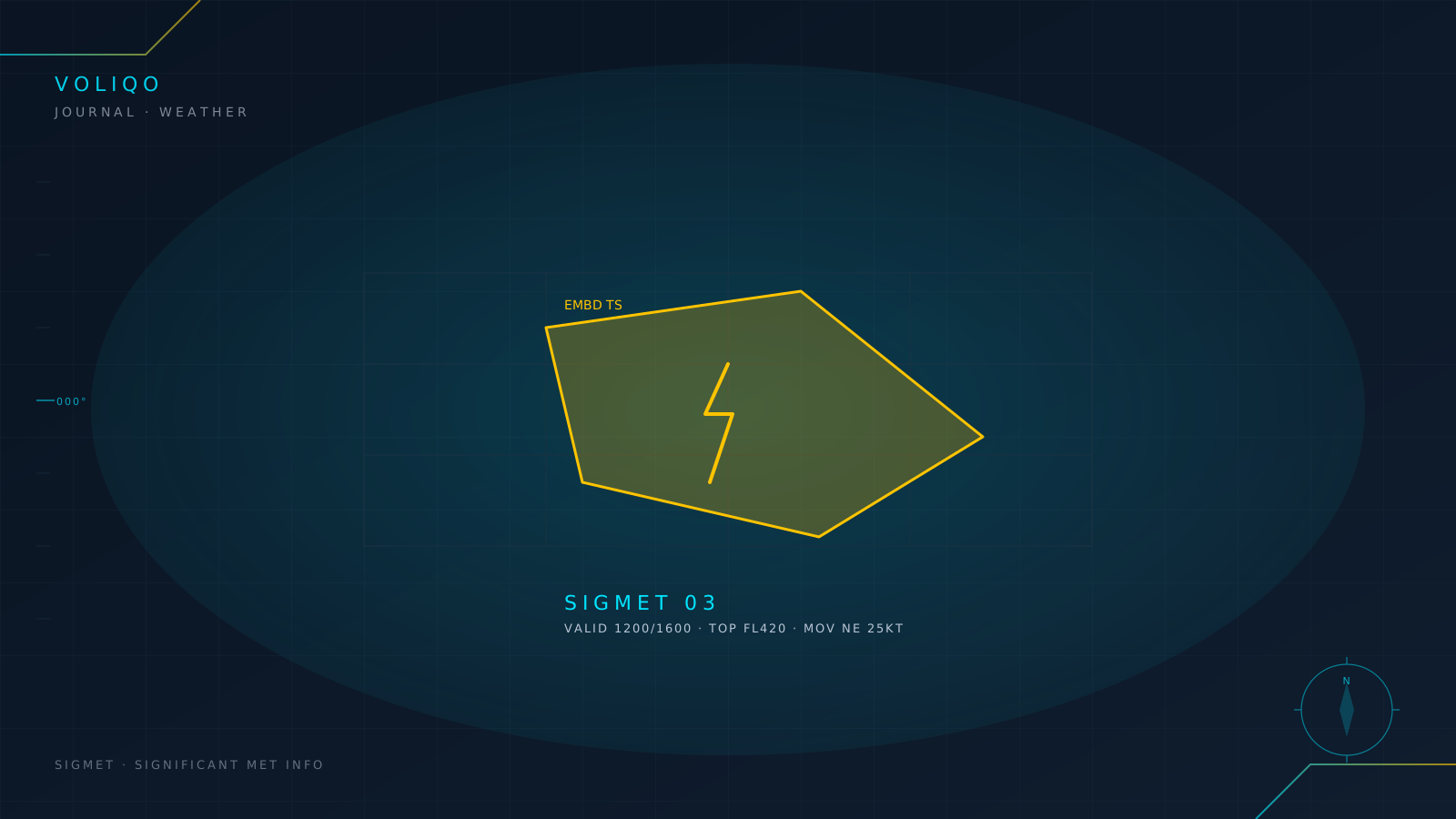
SIGMETs: what they mean and when they ground you
A METAR tells you what the weather is doing right now. A TAF tells you what it's expected to do. A SIGMET tells you something stronger: a meteorologist has decided some weather phenomenon is dangerous enough that all aircraft need to know about it.
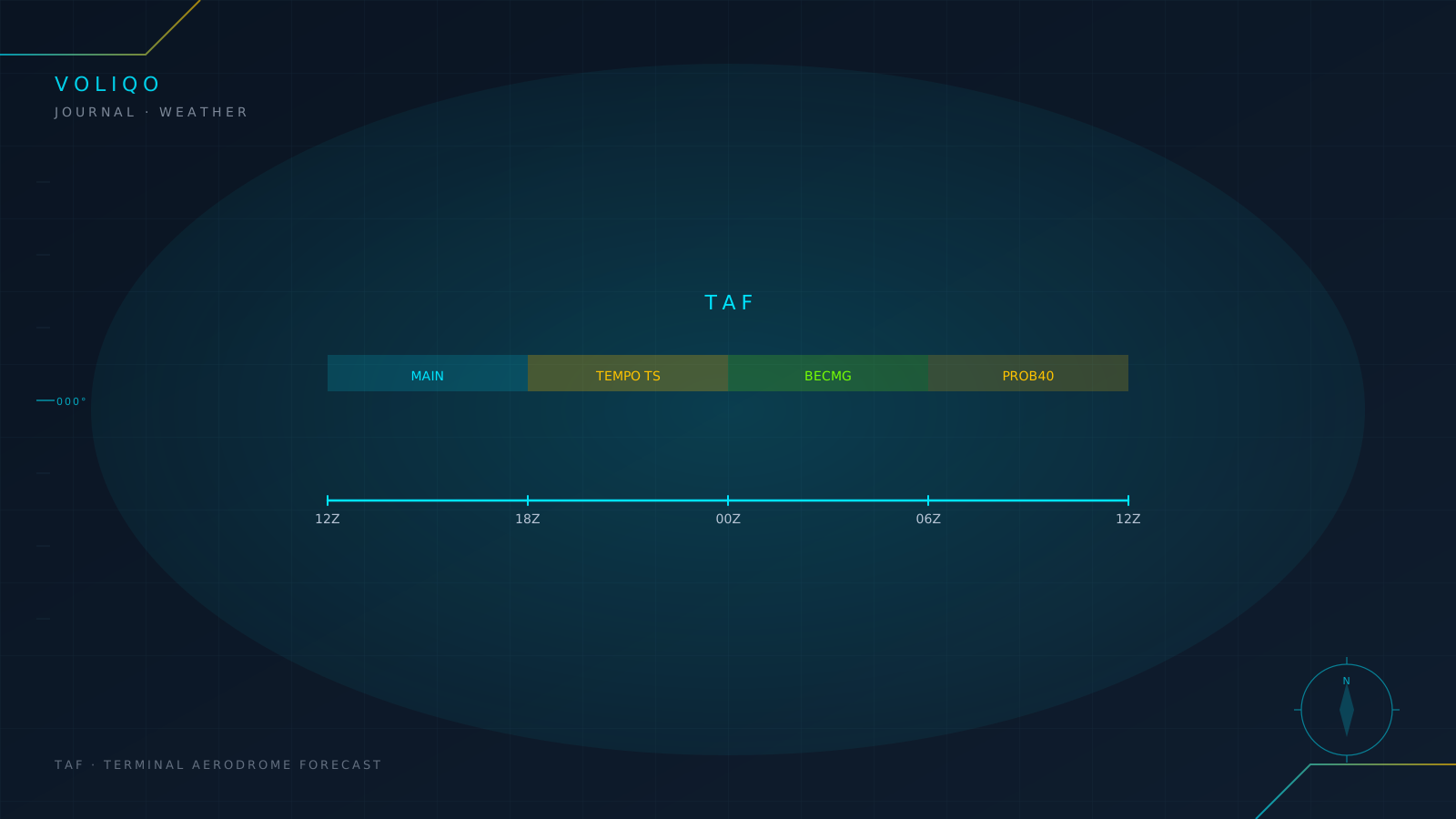
Decoding a TAF: when forecasts beat present weather for flight planning
A METAR tells you what the weather is right now. A TAF tells you what it's going to be for the next 24 or 30 hours. For flight planning more than an hour out, the TAF is the document that matters.
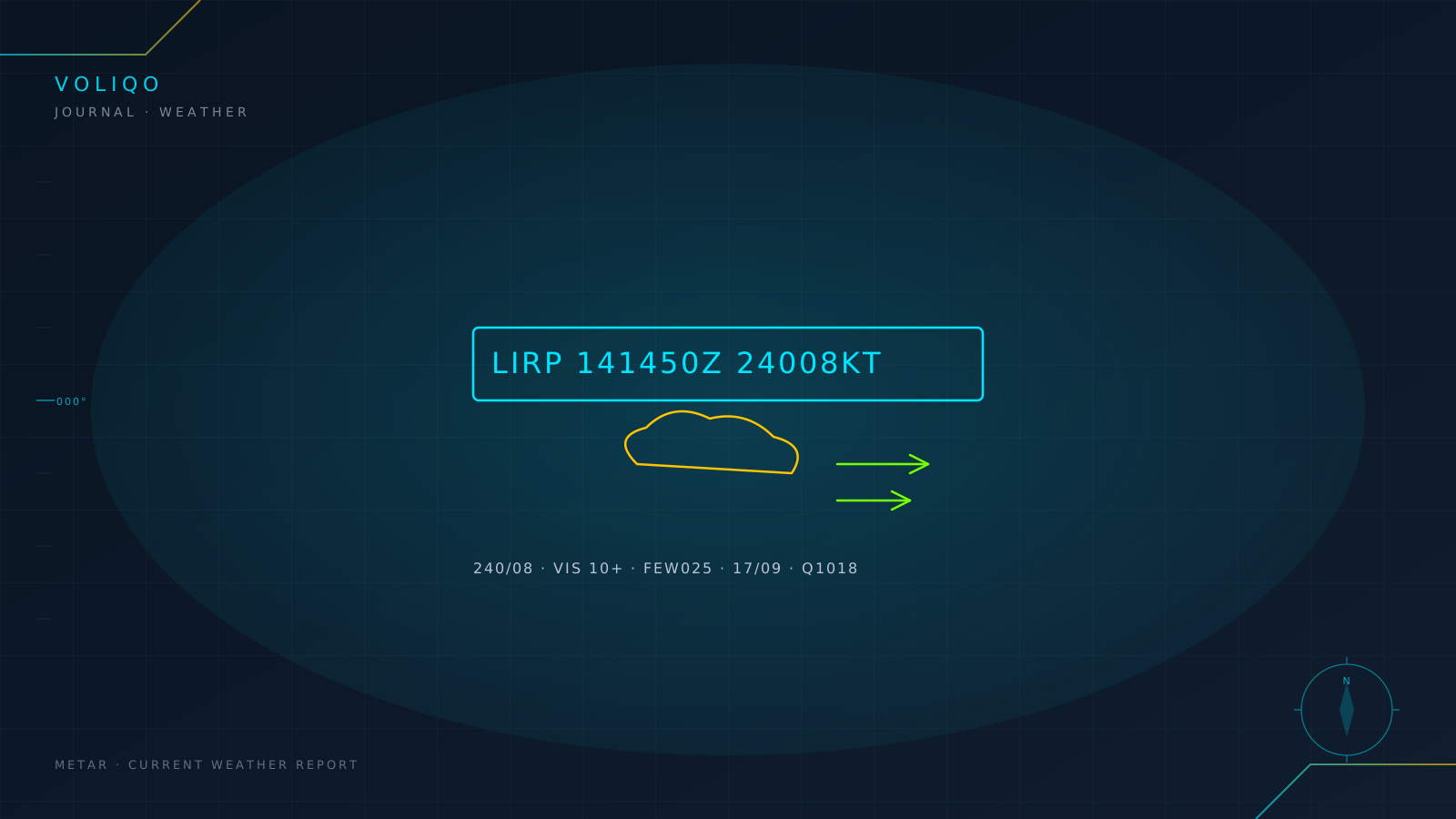
Decoding a METAR: a 5-minute guide for VFR pilots
A METAR is a snapshot of weather at one airport, encoded in a deliberately compact format. Once you can read one, you can read every METAR in the world. For VFR pilots, only four fields drive 90% of go/no-go decisions.
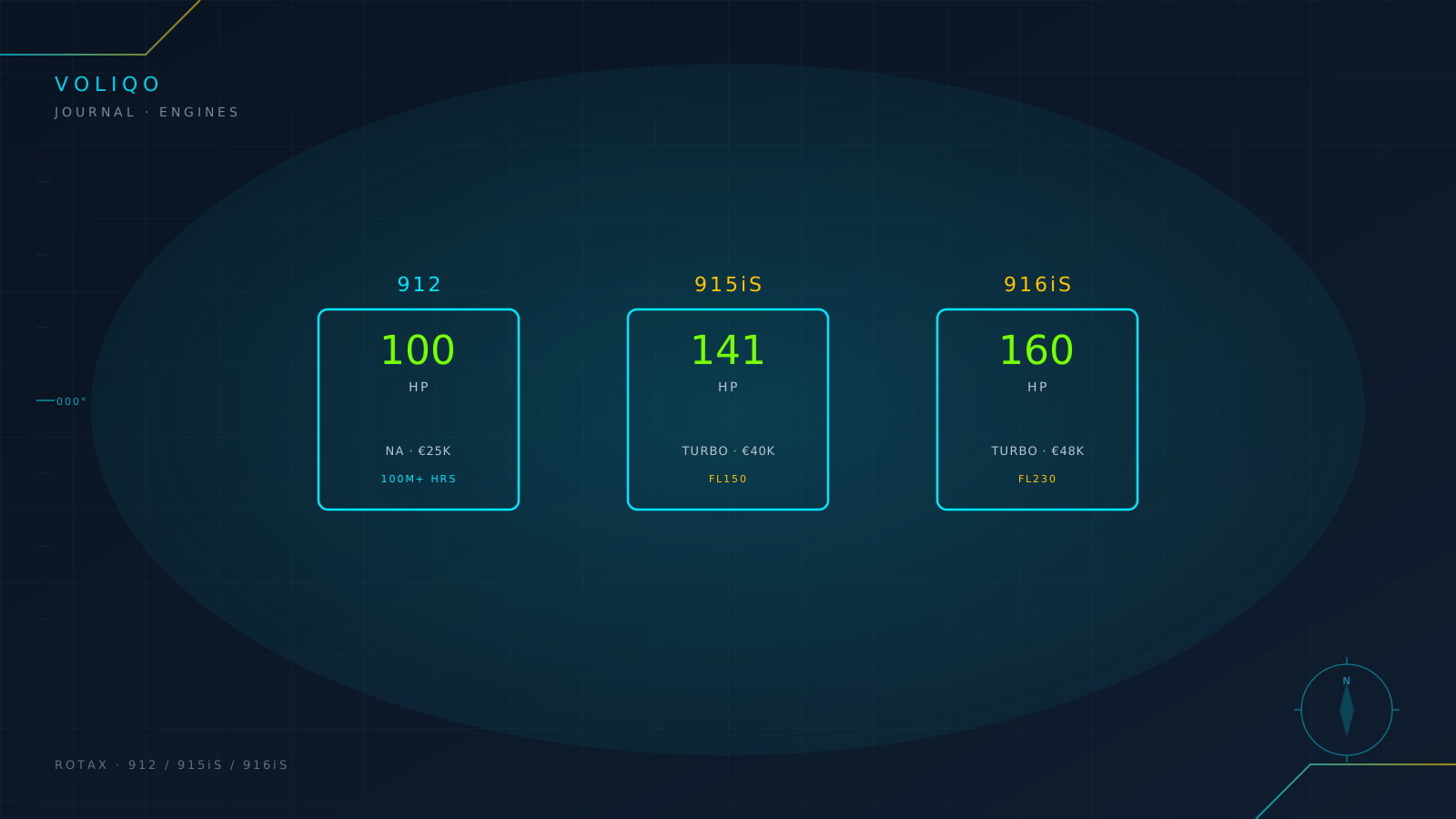
Rotax 912 vs 915 vs 916: the complete buyer's guide for UL & LSA pilots
Rotax owns the under-625 kg world. Within their lineup, three engine families cover 95% of new airframe orders: 912, 915iS, 916iS. They look similar from the outside; they cost dramatically different to buy and operate. Here's how to choose.

UL 600 kg vs LSA vs CS-23: which class fits your flying?
The certification ladder — UL, LSA, CS-23 — decoded for what each class can actually do, what it costs, and who it's for. Practical comparisons with real aircraft from the catalog. The single piece of paperwork that decides what missions are legally available to you.
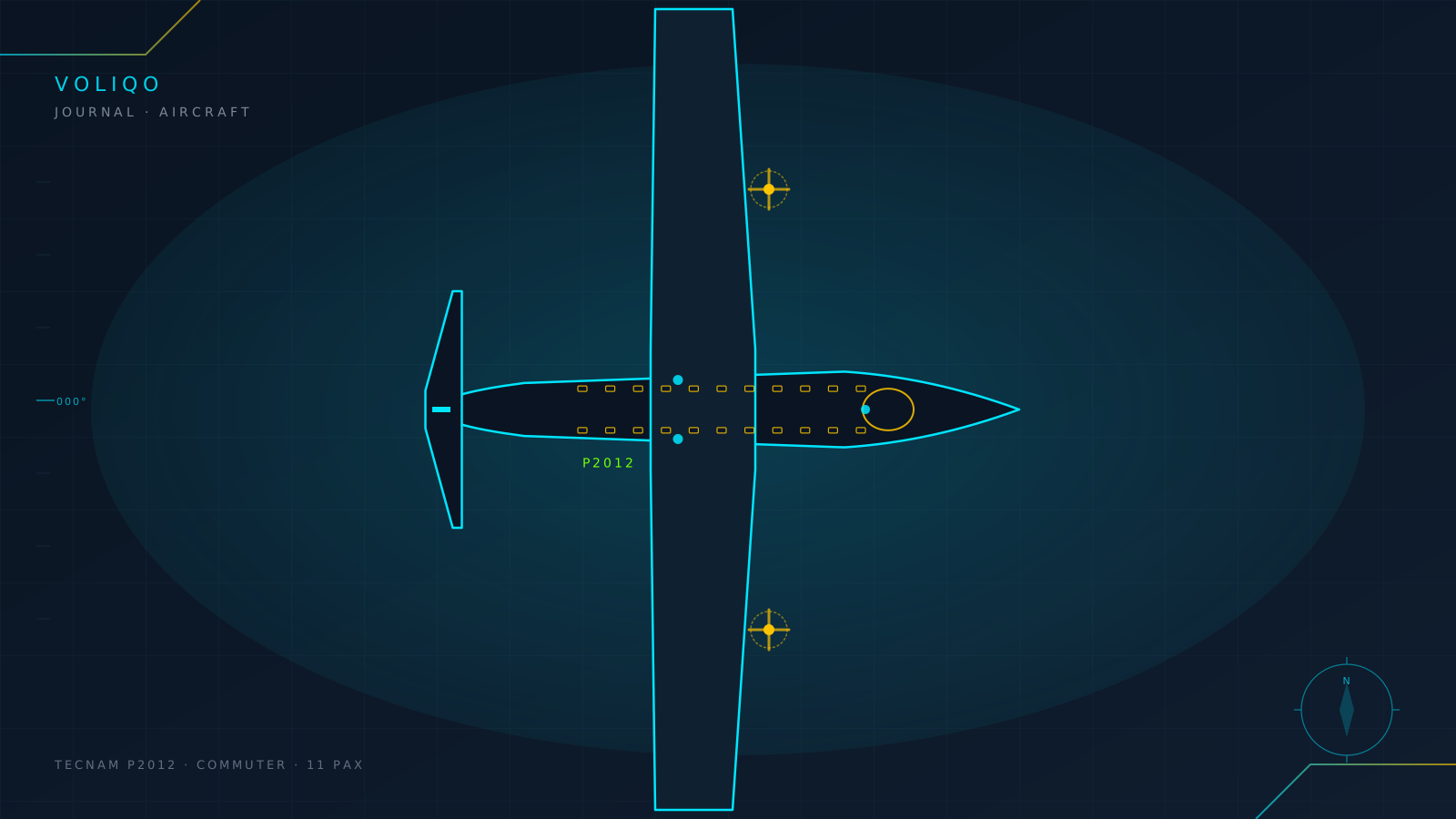
Tecnam P2012 Traveller: how Cape Air bet 100 aircraft on a piston twin
Cape Air operates the densest network of small-airport scheduled service in the US. When their Cessna 402 fleet started aging out, the replacement wasn't a turboprop — it was a clean-sheet Italian piston twin. They ordered 100.
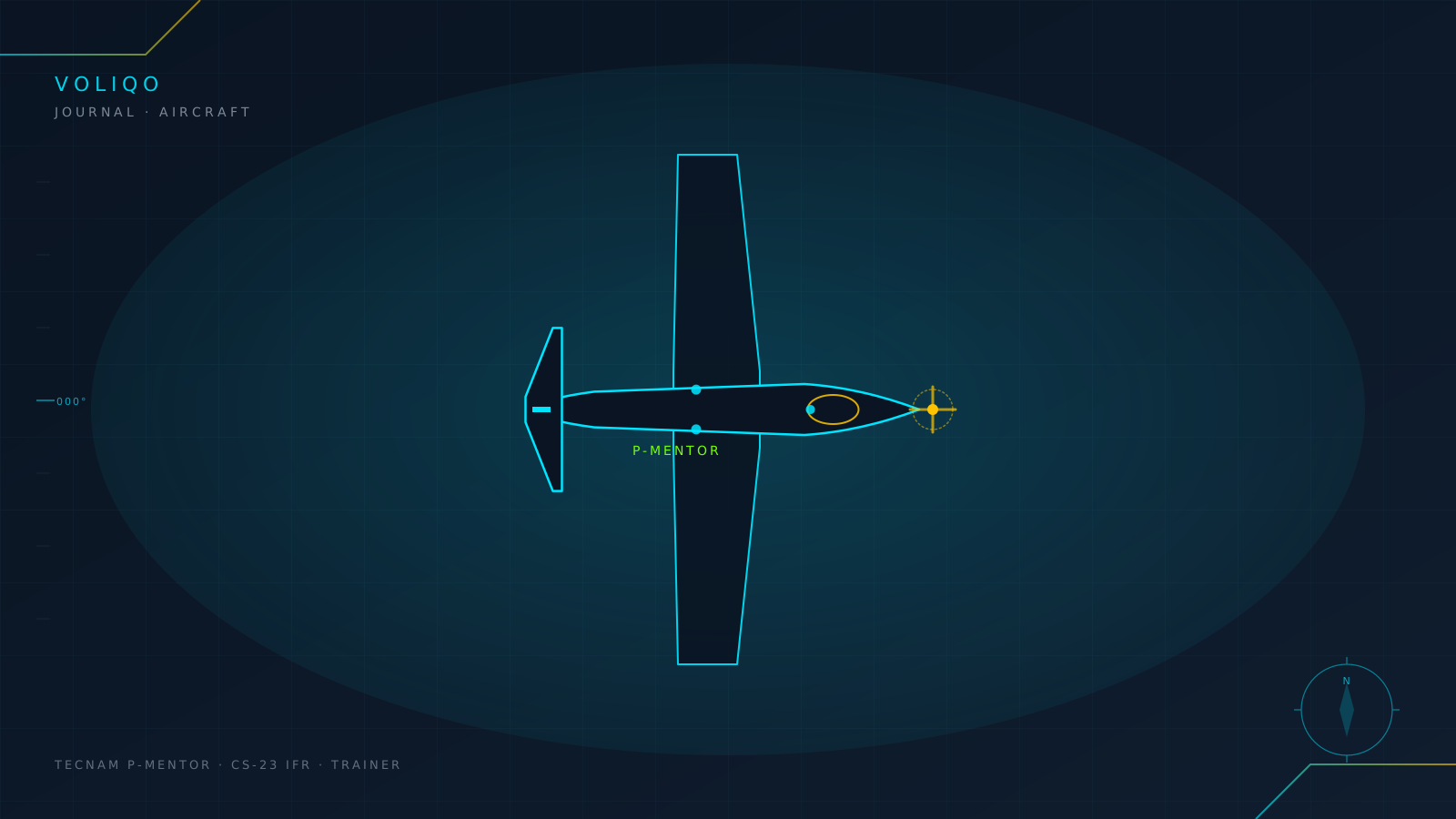
Tecnam P-Mentor: the modern Cessna 152 (with FADEC and a glass cockpit)
The Cessna 152 was the trainer of a generation. The P-Mentor is the modern equivalent — but the answer turns out to be different in shape from what people expected: not a 152 replacement, but a 152 + 172 IFR + Seminole pipeline replacement in one airframe.
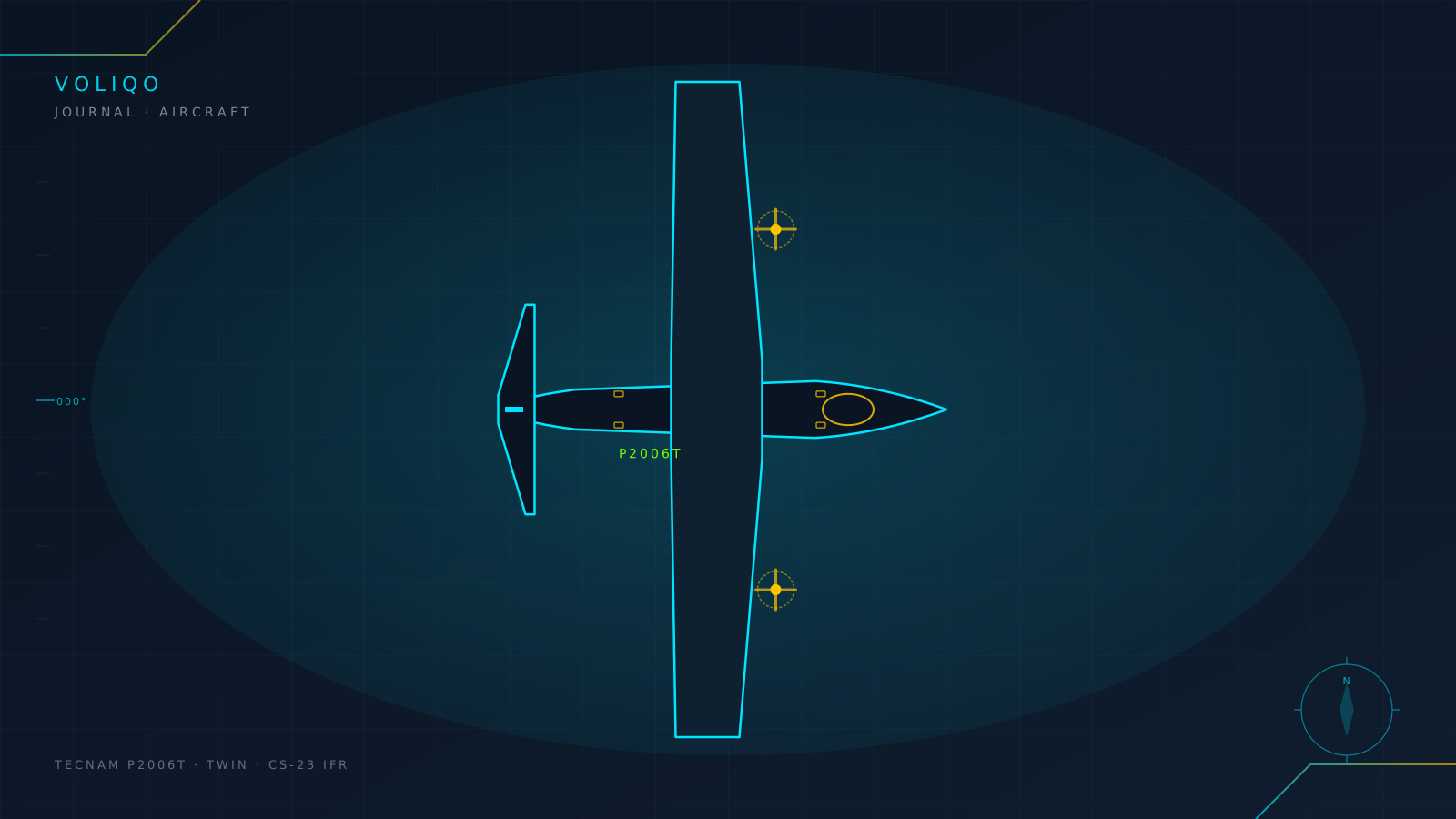
Tecnam P2006T: a twin-engine certified IFR trainer powered by Rotax
When the P2006T was certified in 2009, the convention for CS-23 twin trainers was clear: two big-bore Lycomings, big fuel burn, big maintenance bill. Tecnam asked: does a twin really need to be that thirsty? Sixteen years later, the answer turned out to be no.
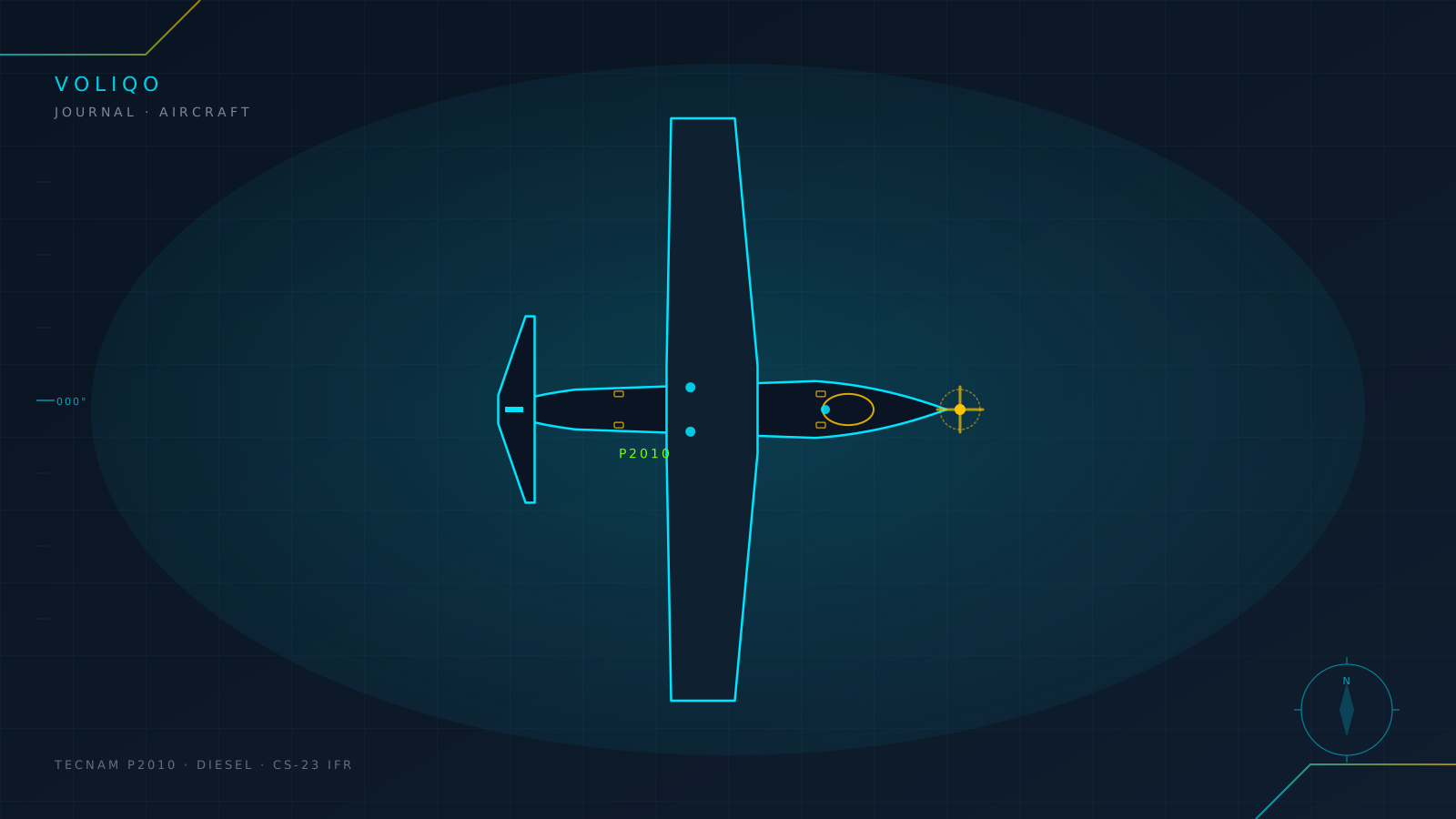
Tecnam P2010 TDI: the diesel cross-country aircraft
The P2010 with a Lycoming gasoline engine is a perfectly good 4-seat tourer. The same chassis with a 170 hp Continental CD-170 turbo-diesel burning Jet-A1 is a different airplane entirely. The TDI is what cross-country pilots gravitate toward.
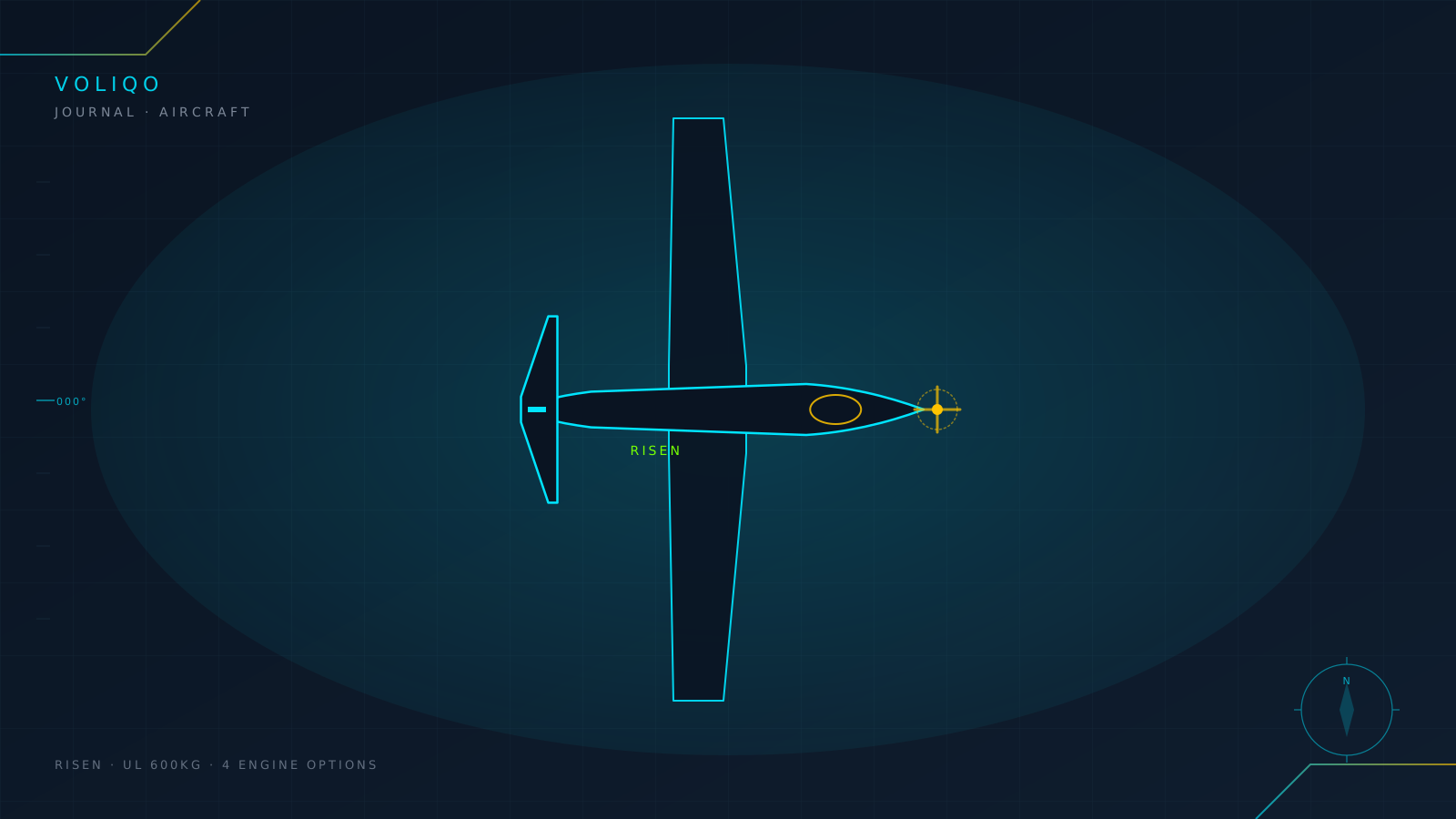
Porto Aviation Risen: the ultralight that flies like a turboprop
The Risen is the airframe that broke the assumption that ultralight meant compromised. Italian carbon, retractable gear, four engine families, twelve catalog configurations — and a 600 kg airplane that cruises at 395 km/h.
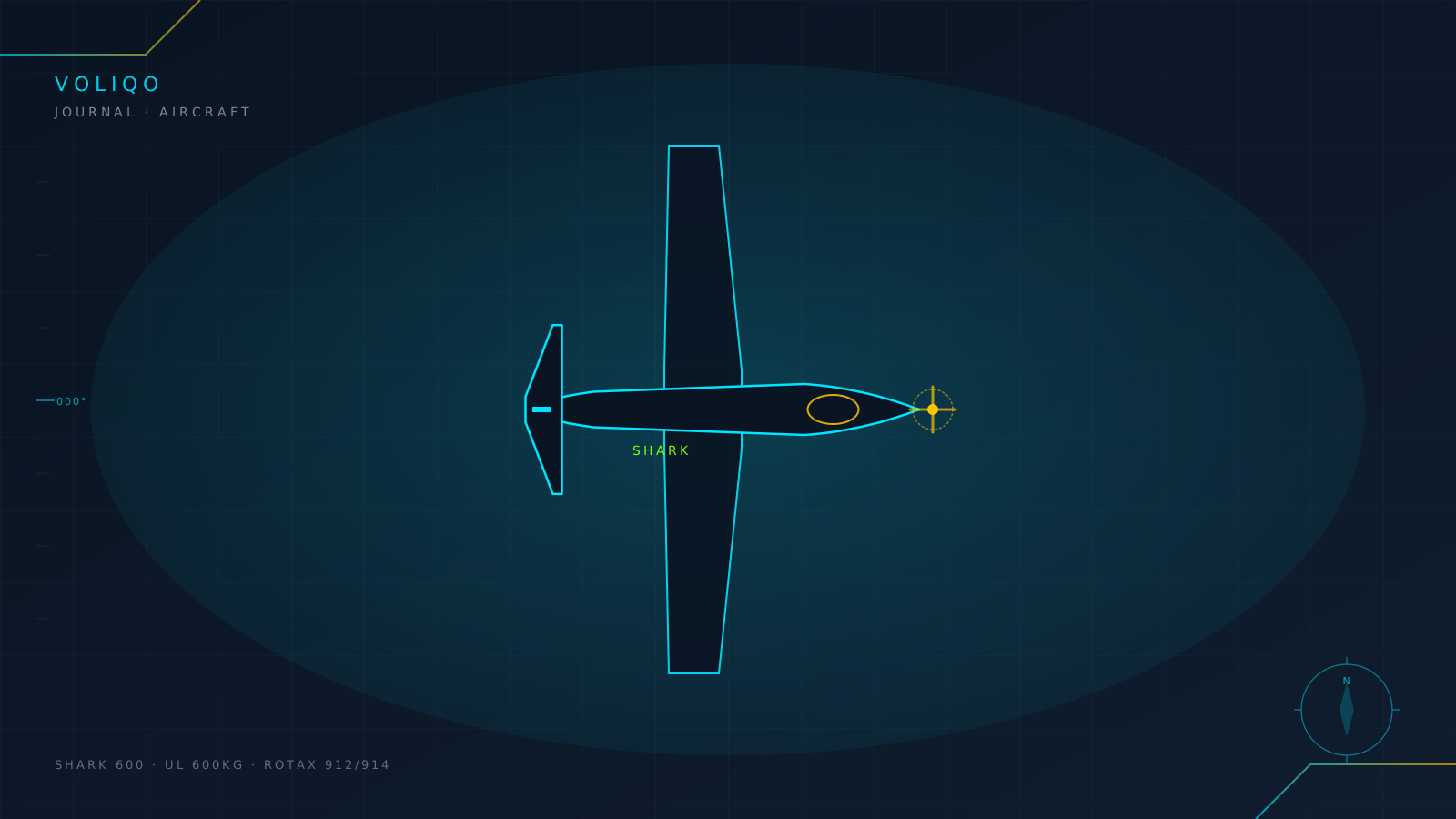
Shark 600 vs Shark 600T: which Rotax fits your mission?
The Slovakian Shark is one of those airframes that punches well above its 600 kg weight class. Naturally-aspirated 912 ULS or turbocharged EP 914Ti — same airframe, very different mission profiles.
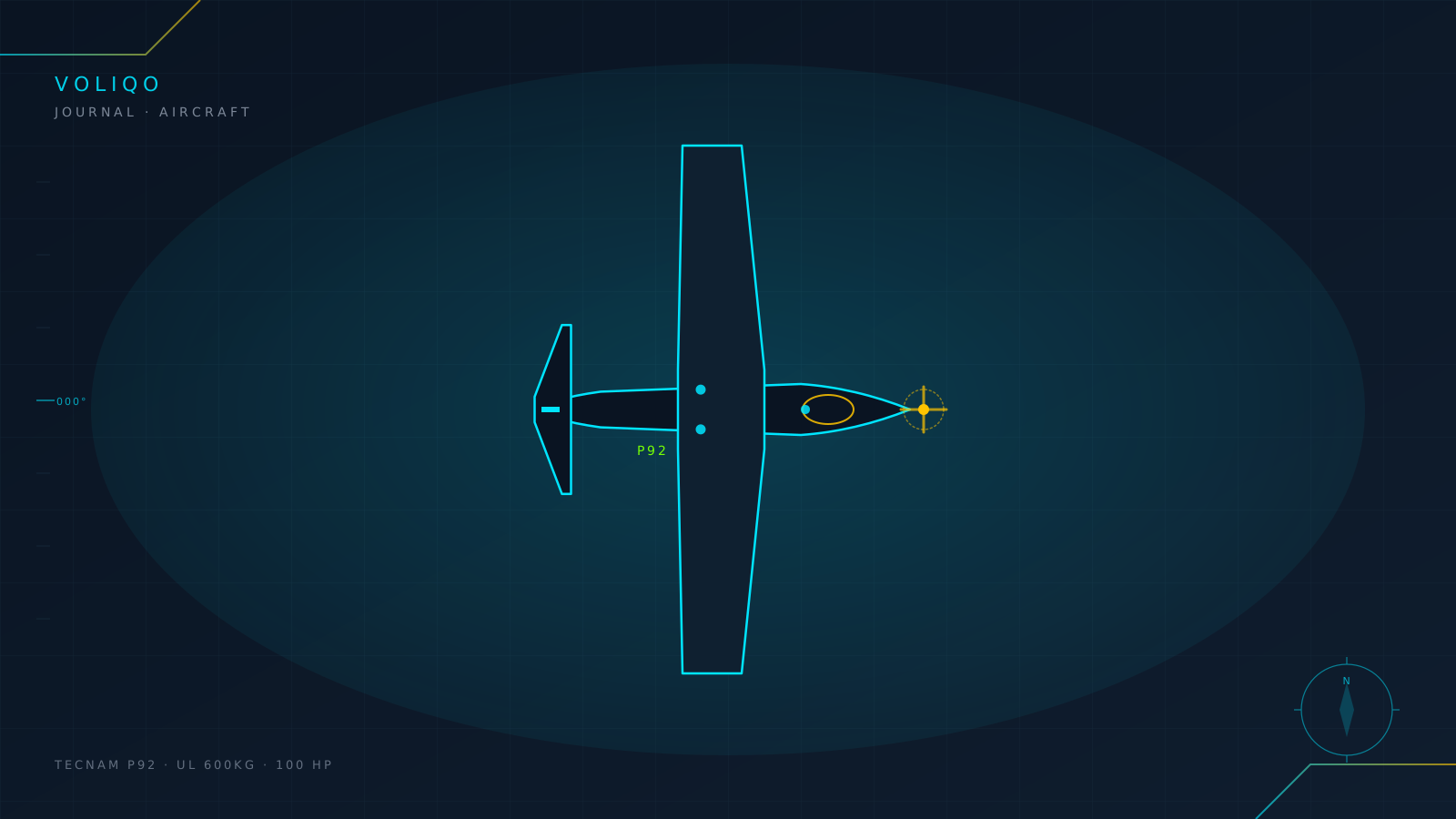
Tecnam P92 Echo MkII: a pilot's first look
The P92 Echo has been the friendly face of Italian ultralight aviation for almost three decades. The MkII takes that heritage and gives it a carbon-fibre fuselage, an updated panel, and a fully-injected Rotax engine option.